
What is Cloud Computing? A Simple Beginner Guide

Introduction
Cloud computing is one of the most important technologies powering today’s digital world. Every time you use Google Drive, stream a movie on Netflix, store photos online, or visit a website, you are likely using cloud computing.
For beginners, the term “cloud” may sound complicated, but the concept is actually simple. Instead of storing data and running software on your personal computer, cloud computing allows you to access these resources over the internet.
In this guide, you’ll learn what cloud computing is, how it works, why businesses use it, and how it powers millions of websites around the world.
What is Cloud Computing?
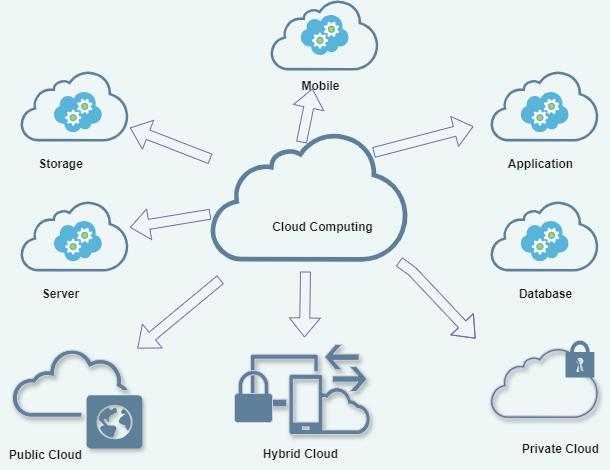
Cloud computing is the delivery of computing services over the internet.
These services include:
- Data storage
- Servers
- Databases
- Networking
- Software applications
- Artificial Intelligence tools
Instead of buying expensive hardware, businesses can rent resources from cloud providers and only pay for what they use.
Think of cloud computing like electricity. You don’t own a power plant—you simply use electricity when needed. Cloud computing works in a similar way.
How Does Cloud Computing Work?
Cloud providers operate massive data centers filled with thousands of servers.
When you access a website, upload a file, or use an online application, your request is processed by these servers.
For example:
- Gmail stores emails in the cloud.
- Google Drive stores files in the cloud.
- Netflix streams content through cloud infrastructure.
- Most modern websites run on cloud servers.
This allows users to access information from anywhere with an internet connection.
Types of Cloud Computing
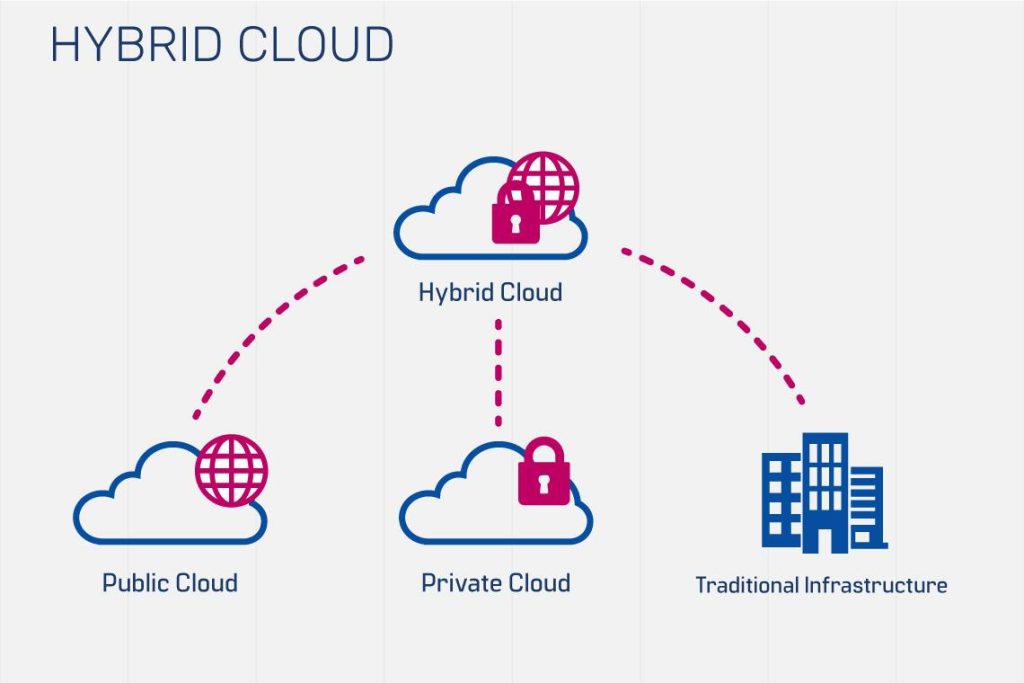
Public Cloud
Public cloud services are shared among many customers.
Examples include:
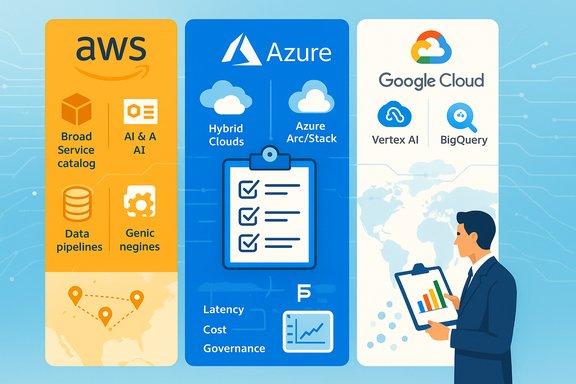
- Amazon Web Services (AWS)
- Microsoft Azure
- Google Cloud Platform
Public cloud solutions are affordable and widely used by startups and businesses.
Private Cloud
Private cloud infrastructure is dedicated to a single organization.
Benefits include:
- More control
- Enhanced security
- Better customization
Large enterprises often choose private cloud environments.
Hybrid Cloud
A hybrid cloud combines public and private cloud services.
Organizations use hybrid solutions when they need both flexibility and security.
Top Cloud Computing Platforms
Amazon Web Services (AWS)
AWS is one of the world’s largest cloud providers.
Popular services include:
- Cloud hosting
- Data storage
- Machine learning
- Security tools
Microsoft Azure
Azure is widely used by businesses that rely on Microsoft products.
It offers:
- Cloud databases
- Virtual machines
- AI services
- Enterprise solutions
Google Cloud Platform
Google Cloud focuses heavily on:
- Data analytics
- Artificial Intelligence
- Application development
- Cloud infrastructure
Many modern startups use Google Cloud because of its powerful tools and scalability.
How Cloud Computing Powers Websites
Every website requires a server to store files and deliver content to visitors.
Traditional hosting uses a single server.
Cloud hosting uses multiple connected servers, which provides:
- Faster loading speeds
- Better uptime
- Improved security
- Easy scalability
As traffic grows, cloud servers automatically allocate additional resources.
This is why many popular websites rely on cloud infrastructure.
Benefits of Cloud Computing
Cost Savings
Businesses avoid expensive hardware investments.
Scalability
Resources can increase or decrease based on demand.
Accessibility
Users can access data from anywhere.
Security
Major cloud providers invest heavily in cybersecurity.
Reliability
Cloud systems provide excellent uptime and backup protection.
Cloud Computing in Everyday Life
Many people use cloud computing without realizing it.
Examples include:
- Google Photos
- Dropbox
- Spotify
- Netflix
- Microsoft 365
- Zoom
These services depend on cloud infrastructure to serve millions of users globally.
The Future of Cloud Computing
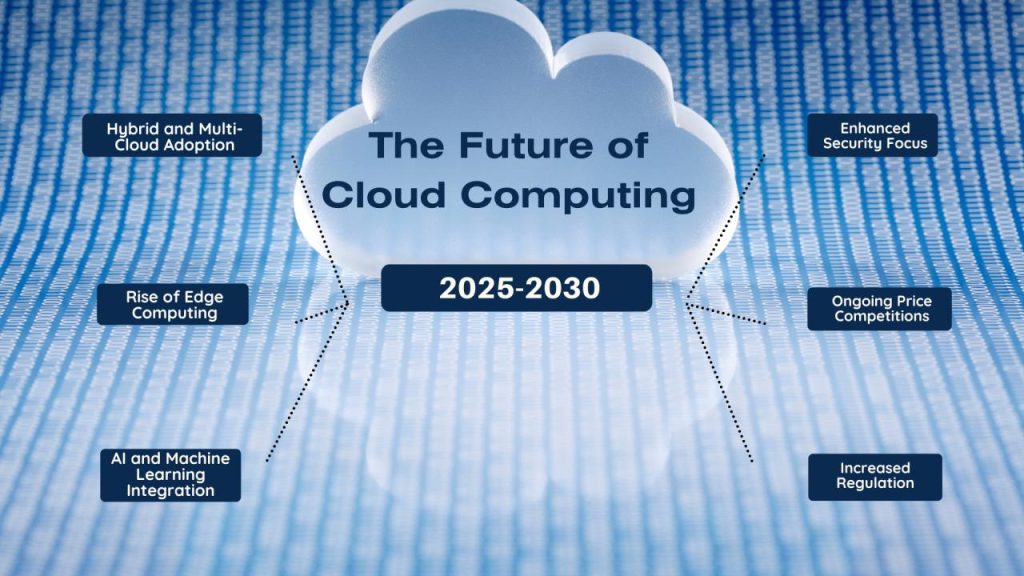
Cloud technology continues to evolve rapidly.
Future trends include:
- AI-powered cloud services
- Edge computing
- Serverless computing
- Stronger cybersecurity
- Green data centers
Businesses across the United States, United Kingdom, Canada, and Australia are expected to increase cloud adoption significantly over the coming years.
Final Thoughts
Cloud computing has transformed the way individuals and businesses use technology. It provides flexible, scalable, and cost-effective solutions that power everything from websites and mobile apps to streaming services and artificial intelligence platforms.
Whether you’re a student, developer, freelancer, or business owner, understanding cloud computing is becoming an essential digital skill in today’s technology-driven world.